By Arnold Moyo
The global technology supply chain is facing renewed scrutiny following allegations that major consumer brands, including Sony, Microsoft, Amazon, and Nvidia, are likely utilising minerals tied directly to a brutal armed conflict in the Democratic Republic of Congo (DRC).
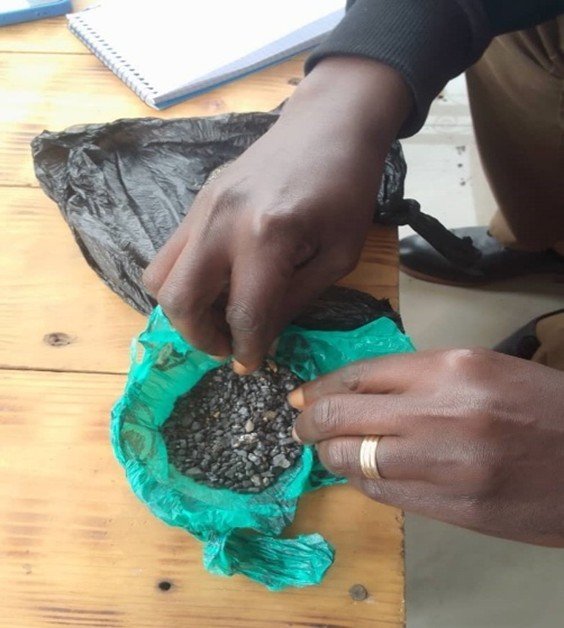
An investigation released by corporate watchdog Global Witness alleges that five of the seven largest coltan exporters operating in neighbouring Rwanda have been systematically purchasing smuggled minerals from DRC mines under the control of M23, a prominent, Rwandan-backed militant group. Coltan is a critical raw material used to produce tantalum capacitors, which are essential components for regulating electrical signals in smartphones, laptops, and automotive electronics.
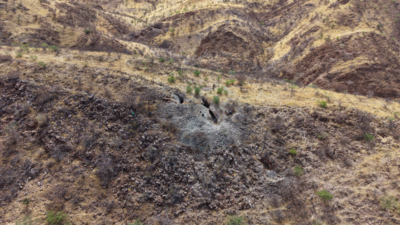
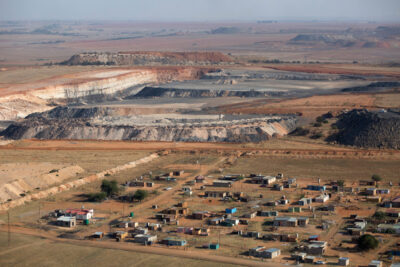
According to the report, the illicit supply chain funnels minerals from the Rubaya region in the DRC’s North Kivu province, an area responsible for an estimated 15% of global coltan production. The M23 rebel group has occupied these mining operations for the past two years, using mineral extraction as a primary funding engine for a military campaign marked by widespread human rights abuses, child labour, and civilian casualties.
Regulatory Failures and Systemic Loopholes
The findings expose deep vulnerabilities in international corporate compliance frameworks, suggesting that the very “conflict-free” verification systems used by Fortune 500 companies are instead being leveraged to launder illicit materials into the mainstream market.
Industry-backed traceability schemes, notably the International Tin Supply Chain Initiative (ITSCI), are failing to flag or halt the flow of smuggled DRC coltan, according to the investigation. The report also highlights that alternative verification networks, such as Better Mining, along with the standard audits conducted by the Responsible Minerals Initiative (RMI), have consistently failed to detect significant volumes of conflict-linked minerals once they reach the smelter level in China and Kazakhstan.
“Our investigation reveals that most of the major coltan exporters from Rwanda are buying smuggled conflict coltan from the DRC’s warzone,” said Alex Kopp, senior policy and advocacy advisor at Global Witness. “Behind our everyday tech lies a supply chain tainted by violence, exploitation, and human suffering. The companies behind our phones, computers and cars haven’t been able or willing to clean up their supply chains.”
Corporate Disconnect and Market Response
The revelations underscore a growing disconnect between public-facing corporate sustainability pledges and the messy realities of deep-tier raw material sourcing. While Western tech giants strictly mandate supplier codes of conduct, their visibility into intermediate brokers and regional exporters remains heavily compromised.
According to the investigation, the corporate response to the findings has been mixed, with several multinational firms deferring to third-party auditors rather than addressing the specific gaps highlighted in Rwanda’s export pipelines.
- Toyota Motor Corp. stated that it maintains strict corporate goals to procure exclusively conflict-free minerals, relying heavily on standard due diligence checks of its direct suppliers.
- Sony Group Corp. echoed this stance, noting that it expects all entities within its logistics framework to comply fully with its global supply chain policy.
- Ericsson AB pointed out that the specific processing smelters named in the Global Witness probe are currently certified as conformant by the Responsible Minerals Initiative, though the telecom equipment maker added that it would review the newly raised cases.
- Traxys, an EU-based commodities trader previously linked to the regional trade, explicitly denied sourcing conflict minerals.
Technology giants Amazon, Microsoft, Nvidia, Vodafone, and LG Display did not respond to requests for comment regarding the findings.
Growing Demands for Government Intervention
Industry compliance bodies have strongly defended their frameworks against the allegations. The RMI stated that claims suggesting its audits cannot ensure conflict-free smelter operations are “unfounded,” while ITSCI insisted its on-the-ground tracking systems remain active and functioning as intended. Better Mining similarly denied that any conflict-affected coltan had been tagged or validated under its watch.
However, researchers note that the scale of the smuggling operation points to systemic complicity among regional authorities. The Global Witness data, compiled between 2023 and late 2025 using customs records, shipping manifests, and over 70 industry interviews, suggests that standard corporate auditing is no longer enough to insulate downstream brands from geopolitical risks.
With voluntary industry standards under fire, human rights advocates are pushing for a shift away from corporate self-regulation toward hard legal mandates.
“Governments can no longer stand by,” Kopp said. “Urgent and decisive action is needed to hold corporations accountable and to impose sanctions on those whose financial activities enable and sustain M23’s brutal conflict and illegal occupation.”