Namibia is moving to aggressively overhaul its energy regulations as the southwest African nation pivots from a multi-billion-dollar exploration playground to a major global crude producer, threatening to reshape regional energy geopolitics.
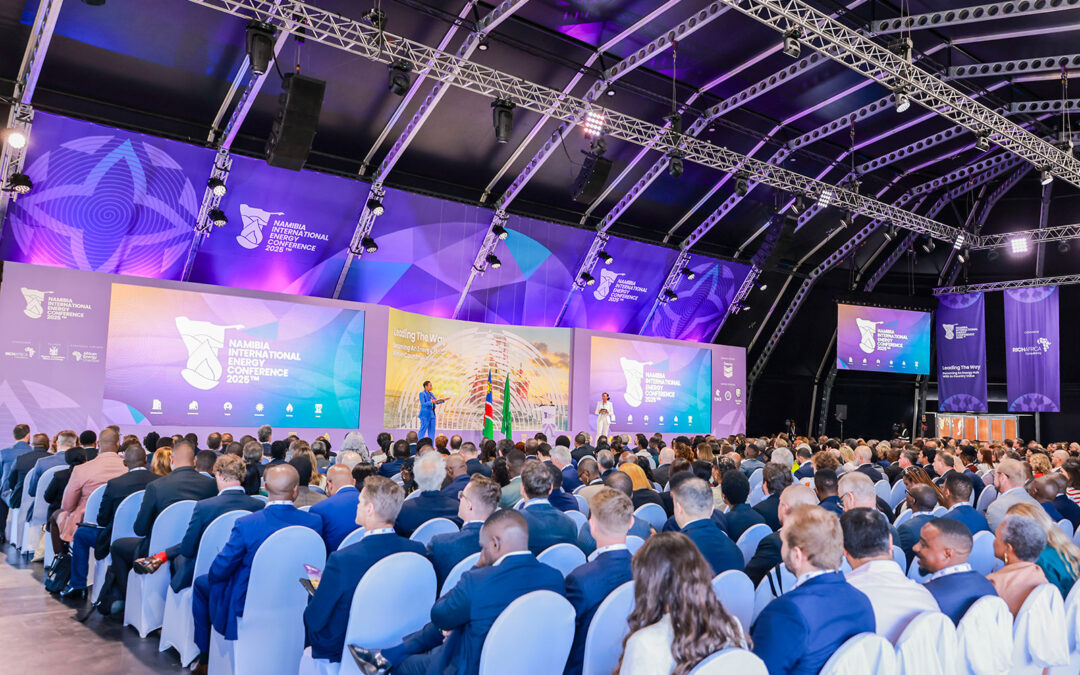
The policy shift comes as the country braces for its first commercial petroleum production following a string of massive offshore discoveries by global majors. This is according to Ndapwilapo Selma Shimutwikeni, Energy and Natural Resources Advisor and Convenor of the NIEC, assessing the recently held 8th Namibia International Energy Conference (NIEC) in Windhoek. Shimutwikeni emphasised that the impending production boom is merely the catalyst for a broader industrial transformation.
“The road to first oil and beyond demonstrated that Namibia’s long-envisioned energy future is now actively unfolding,” Shimutwikeni said. “Yet what emerged clearly is that first oil is not the destination—it marks the beginning of a far wider economic and industrial transformation.”
The stakes are rising rapidly in the country’s offshore Orange Basin. TotalEnergies SE is moving toward a highly anticipated Final Investment Decision (FID) on its Venus project by mid-2026, a milestone that analysts view as the definitive turning point for Namibia’s transition into commercial oil production. The deepwater project is expected to unlock massive government revenues and drive domestic employment, while peers including Shell Plc, Galp Energia SGPS SA, Chevron Corp., and Azule Energy pour capital into adjacent blocks. Exploration is also expanding northward into the unproven Lüderitz and Walvis basins to build a diversified infrastructure pipeline.
To lock in long-term windfalls, Namibian President Netumbo Nandi-Ndaitwah used the summit to signal a modernization of the state’s 1991 Petroleum Act. The legislative update aims to balance investor predictability with stringent “local content” mandates, forcing foreign oil giants to integrate local supply chains, hire domestic talent, and fund value-add industries rather than simply exporting raw crude.
Windhoek is also attempting to dodge the “resource curse” that has historically plagued other African oil frontiers by deliberately refusing to rely solely on fossil fuels. Government strategy outlines a parallel expansion into natural gas, large-scale green hydrogen projects, and digital oilfield technologies like artificial intelligence to optimize reservoir engineering.
The execution risk now shifts entirely to infrastructure buildouts and financing frameworks. For institutional investors looking at sub-Saharan Africa, Namibia’s decades-long track record of political stability and policy consistency offers a rare, low-risk entry point into a high-reward frontier. The immediate challenge will be translating international corporate commitments into concrete, nationwide economic delivery.