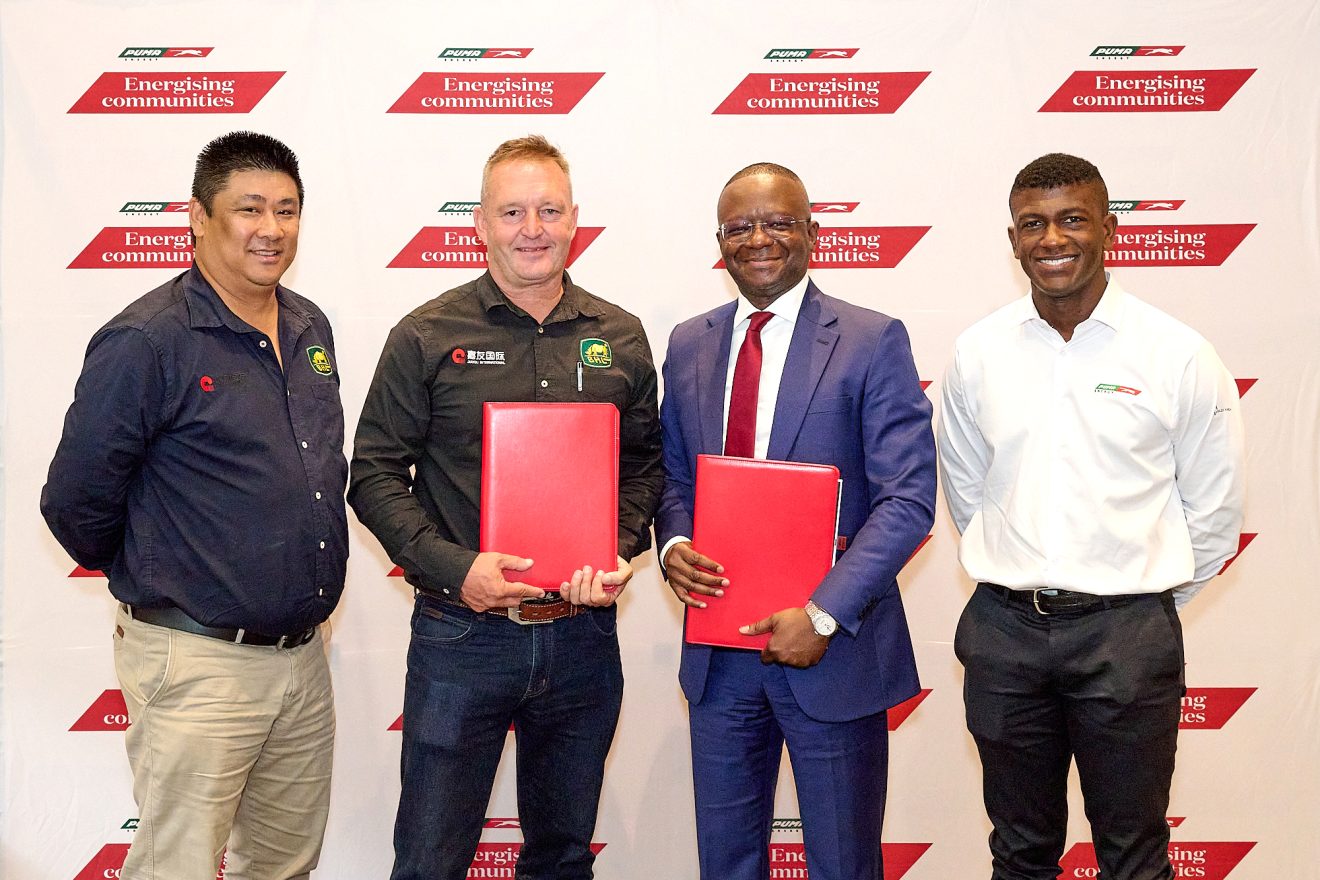
LUSAKA – In a significant move to de-risk Southern Africa’s energy and commodity supply chains, Puma Energy Zambia and BHL Group have inked a transformative five-year fuel logistics agreement. The partnership, announced this week, is poised to optimize the Zambia–Namibia trade corridor—a critical commercial artery—by synchronizing the heavy-haulage requirements of the mining sector with the high-demand energy needs of the Zambian interior.
Under the terms of the deal, BHL Group, currently the largest haulier of copper exports in Zambia, will leverage its extensive fleet to transport Puma Energy’s fuel from the strategic Port of Walvis Bay in Namibia directly to Solwezi and other industrial hubs. The agreement utilises a highly efficient backhaul model: trucks arriving at the coast with copper exports will no longer return empty but instead carry up to three million liters of fuel per month back to Zambia. This “closed-loop” logistics strategy is expected to significantly drive down landed costs for fuel while maximising asset utilisation in a region where transit efficiency is often hampered by logistical bottlenecks.
“This collaboration is about more than moving fuel,” said Buks Jansen van Rensburg, Chief Executive Officer of BHL Group. “We specialise in delivering reliable logistics solutions that support industrial growth. Partnering with Puma Energy is a natural extension of our strategy, leveraging our proven capabilities to move both copper and fuel efficiently across Southern Africa.”
The timing of the alliance is critical as Zambia seeks to bolster its energy security for the Copperbelt mining region and the burgeoning North-Western Province. By diversifying supply routes away from traditional lines and reinforcing the Walvis Bay corridor, the partnership provides a buffer against regional supply shocks. Operationally, the fleet will be managed via a sophisticated In-Vehicle Monitoring System (IVMS) to ensure real-time oversight of driver behavior and safety—a non-negotiable standard for both the downstream energy giant and the mining industry it serves.
With first deliveries slated to commence in March 2026, the deal signals a new era of regional economic connectivity and industrial resilience. As Zambia continues its push for increased copper production, the ability to link essential mineral exports with vital energy imports under a single logistics framework is viewed by market analysts as a blueprint for smarter, more integrated trade across the SADC region.