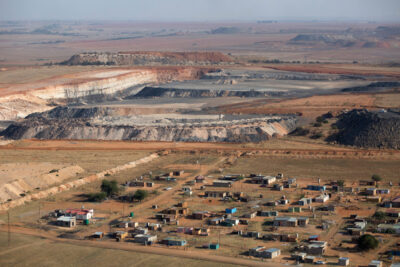
WINDHOEK – Namibia’s mining sector, the traditional bedrock of the national economy, is facing intense legislative scrutiny following revelations of a systematic erosion of permanent employment in favour of precarious subcontracting arrangements. A high-level parliamentary inquiry has uncovered a disturbing trend where established mining corporations are allegedly retrenching permanent staff only to re-hire them through third-party agencies under significantly diminished terms, a move critics argue is designed to bypass the protections of the Labour Act.
The findings, presented on Monday by Justina Jonas, Chairperson of the Parliamentary Committee on Poverty Eradication and Labour, follow an extensive oversight mission across five regions and 11 major mine sites. The committee’s report paints a stark picture of a two-tier workforce where subcontracted employees perform identical duties to their permanent counterparts but are denied pension benefits, medical aid, and the basic job security necessary for long-term livelihood stability.
“Across all mining corporations, the committee has observed a pattern where permanent employees are retrenched and then re-hired through subcontracting under less favourable terms,” Jonas told industry stakeholders gathered in Windhoek. She further warned against the rise of “voluntary separation” packages, which she characterized as a tactical maneuver used by firms to “bypass compliance with Section 34 of the Labour Act,” effectively side-stepping the more rigid regulations that govern traditional retrenchment processes.
The shift toward outsourcing has also sparked a growing safety crisis within the industry. Data from a 2024 Chamber of Mines report indicates a 26.3% spike in lost-day injuries, a trend that officials link directly to the lack of oversight over contracted personnel. Philile Masuku, Country Director for the International Labour Organization (ILO), cautioned that mining remains one of the world’s most hazardous working environments and that Namibia’s current trajectory is cause for alarm.
Legislative intervention appears imminent, as the committee emphasized that the legal responsibility for worker welfare and physical safety cannot be delegated to middle-men or labor-hire firms. Beyond wages, the parliamentary review highlighted a disconnect in skills transfer and corporate social responsibility, arguing that the “casualization” of labor is undermining the long-term human capital required to sustain Namibia’s mining ambitions through 2026 and beyond.